

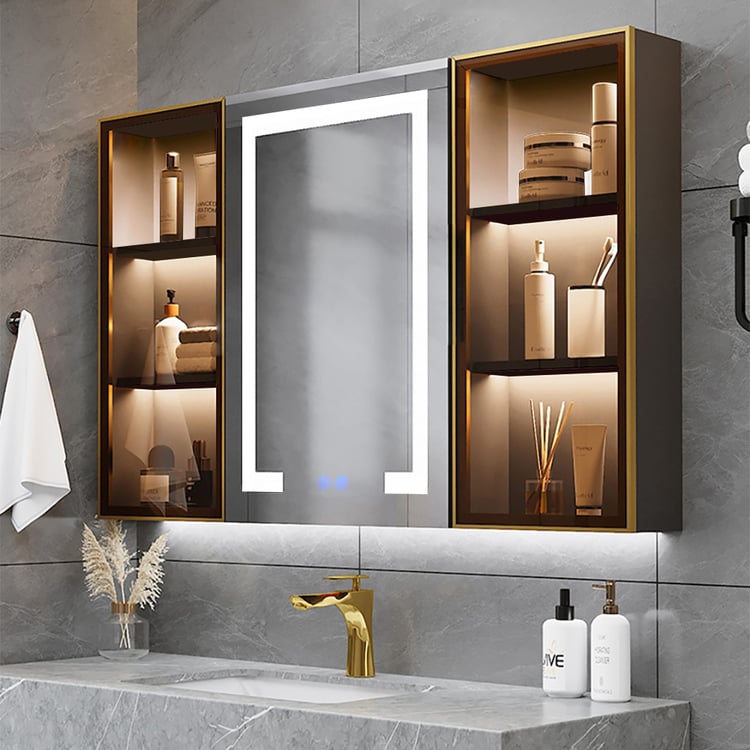
Bathroom renovations rarely start with the medicine cabinet. Homeowners pick tile, then a vanity, then start hunting for a mirror almost as an afterthought. That order gets the priority backwards, especially in bathrooms where wall space is limited and grooming light is inconsistent. A medicine cabinet with mirror and lights can now handle three jobs that used to require three separate purchases, reflection, illumination, and storage, all in the same footprint a plain mirror would have used. That shift matters most in smaller bathrooms, where every square foot above the vanity is either storage or nothing.
Ask anyone who applies makeup or shaves under an overhead ceiling light how accurate the color looks once they step outside. Standard bathroom lighting is a common culprit behind three everyday frustrations:
Common daylight and lighting complaints
- Foundation or concealer that looks fine indoors and wrong in daylight
- A fogged mirror after every shower, delaying the morning routine
- A countertop cluttered with toiletries because there is nowhere else to put them
Each of these is a lighting or storage problem, not a decorating one. Ceiling-mounted fixtures cast light downward, creating shadows under the eyes and jaw exactly where clarity matters most. A plain mirror, however nice the frame, does nothing for the four or five bottles a typical adult bathroom needs within reach.
Lighting and Storage Were Never Separate Problems
The fix gaining traction in bathroom design is straightforward: put the light source directly around the mirror instead of on the ceiling, and give that mirror a door that opens onto shelving. Newer versions use LED strips rated at CRI 90+, which render skin tone and fabric color closer to how they will actually look outdoors, a meaningful upgrade over the yellow-cast bulbs many older fixtures use. Several models let the color temperature shift anywhere from a warm 3000K to a cooler 6000K, so the same fixture works for an evening skincare routine and a daytime shave. Anti-fog backing on the mirror pane is common now too, clearing condensation faster than towel-wiping ever did.
The Electrical Upgrade Nobody Budgets For
Lighting is the visible improvement, but the electrical layer is where these cabinets earn their keep. Many current models build the outlet directly into the cabinet interior instead of routing a cord across the countertop, which keeps small appliances off the sink deck entirely.
Typical built-in features
- A built-in outlet rated up to 1800W, enough for a hair dryer or straightener
- USB-A and USB-C charging ports for electric toothbrushes and razors
- Touch-sensor controls instead of a physical switch, useful with wet hands
- Soft-close hinges and magnetic door catches that hold the door flush without a mechanical latch
None of this requires rewiring the bathroom. The cabinet’s own internal wiring carries the load, and units with ETL or UL certification have already been tested for exactly this kind of countertop-adjacent electrical use. That certification matters more than it sounds, since it is the difference between a fixture rated for a damp, outlet-adjacent wall and one that simply was not built for it.
What to Check Before Installing One
Sizing is the detail that trips up most first-time buyers. A cabinet that is too narrow for the vanity below looks accidental rather than intentional, and one mounted too high puts the light source above eye level instead of at it. Before ordering, it is worth confirming:
Before ordering, confirm:
- The rough-in opening width against the vanity’s centerline, not just the wall’s total width
- Whether the model needs a full recessed cut into the wall or mounts on the surface, since recessed installs require checking for plumbing or studs behind the drywall first
- Whether the outlet and USB ports need a nearby junction box or run off the cabinet’s own internal wiring
Several manufacturers also ship no-drill mounting hardware for lighter, surface-mounted mirrors, which removes the recessed-cut question entirely for renters or anyone hesitant to open a wall. A quick measurement against the existing medicine cabinet opening usually settles whether a straight swap is possible or whether the wall needs any work at all.
A medicine cabinet built around mirror, light, and storage is less a luxury upgrade than a consolidation of three purchases a homeowner was already going to make separately. The lighting solves a real problem with how bathrooms are typically lit, the storage solves the counter-clutter problem, and the electrical layer solves for a bathroom’s inevitable string of small appliances. Retailers such as Allsumhome now publish sizing charts and installation support for exactly this kind of upgrade, which makes it one of the few single fixtures that pays for its own line item twice.
