

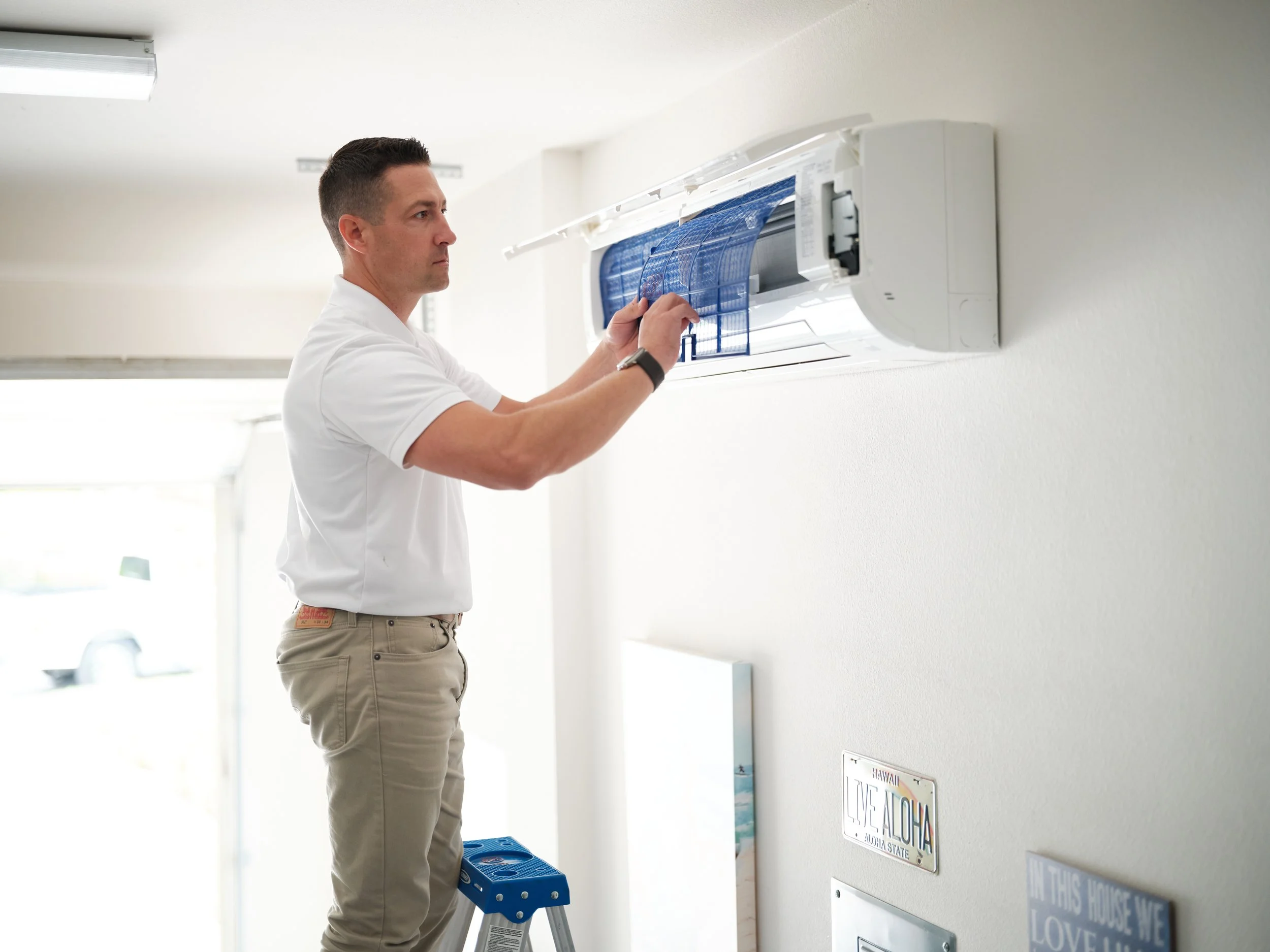
When a furnace stops heating properly, homeowners often wonder what will happen once an HVAC technician arrives. A professional service visit is more than simply looking at the unit and replacing a filter. The technician typically investigates the reported problem, checks important components, performs safety tests, identifies the cause of the issue, and explains what repairs may be necessary.
For homeowners searching for furnace repair Orange County, understanding the service process can make an unexpected heating problem less stressful. Knowing what to expect also helps homeowners ask useful questions and make informed decisions about repairs.
1. The Technician Starts by Discussing the Problem
A service visit usually begins with a conversation about the symptoms you have noticed. The technician may ask whether the furnace is failing to start, producing weak heat, turning on and off repeatedly, making unusual noises, or blowing cool air.
Details about when the problem started and whether it happens continuously or intermittently can help narrow down potential causes. Homeowners should mention unusual smells, changes in airflow, higher energy use, or noises that were not present previously.
This initial discussion gives the technician useful information before the physical inspection begins.
2. The Thermostat and Controls Are Checked
The thermostat is one of the first components that may be evaluated because it controls when the heating system turns on and off. A technician can verify its settings, temperature reading, wiring, and communication with the furnace.
A thermostat problem can sometimes look like a furnace failure. If the thermostat is inaccurate or not properly communicating with the heating system, the furnace may not operate as expected.
Technicians may also inspect related electrical controls to determine whether the furnace is receiving the signals and power it needs.
3. The Air Filter and Airflow Are Inspected
A restricted or heavily contaminated air filter can reduce airflow through the furnace. Poor airflow can affect comfort and place additional stress on heating components.
During a service visit, the technician may inspect the filter and examine the return-air and supply-air pathways. The blower assembly may also be checked to determine whether it is moving air properly.
Depending on the furnace and the nature of the service, the technician may measure temperature differences between return and supply air to evaluate heating performance.
4. Ignition and Flame Components Are Tested
Modern furnaces need a reliable ignition sequence before they can produce heat. Depending on the system, this may involve an electronic ignitor, burners, a flame sensor, and other controls.
A technician can inspect these components for dirt, wear, corrosion, or signs of malfunction. A dirty or failing flame sensor, for example, can cause a furnace to ignite briefly and then shut down.
Checking the complete ignition sequence helps the technician determine whether the furnace is actually completing its normal startup process.
5. The Heat Exchanger Receives Special Attention
The heat exchanger is an important safety component in a gas furnace. It separates combustion gases from the air circulated throughout the home.
During a professional inspection, the technician may examine the heat exchanger for visible damage, corrosion, cracks, or other abnormalities. The condition of the combustion and exhaust system may also be evaluated.
Because combustion problems can create carbon monoxide risks, safety testing is an important part of professional furnace service.
6. Gas Connections and Combustion Are Checked
For gas-powered furnaces, technicians may inspect gas connections, burner operation, gas pressure, combustion characteristics, and related components.
The goal is to make sure the furnace is receiving and burning fuel correctly. The technician may also check for signs of improper combustion or gas leakage.
These checks should be performed by qualified professionals because gas and combustion systems involve significant safety considerations.
7. Venting and Exhaust Components Are Examined
A furnace needs an appropriate path for combustion gases to leave the home. Blocked, damaged, or improperly functioning venting can create serious safety concerns.
During service, the technician may inspect the flue, vent connections, draft, and termination points where applicable. The inspection helps determine whether exhaust gases are being safely directed away from living areas.
8. Electrical Components and Safety Controls Are Tested
A furnace contains electrical connections, motors, switches, sensors, and control components. Technicians may inspect wiring and connections for signs of damage, looseness, overheating, or wear.
Safety controls such as limit switches and other protective devices can also be tested. These controls help the furnace respond appropriately when operating conditions become unsafe or abnormal.
A thorough inspection therefore looks beyond the component that appears to be causing the immediate problem.
9. The Blower Motor and Airflow System Are Evaluated
The blower is responsible for circulating heated air through the home’s ductwork. If it is dirty, worn, restricted, or malfunctioning, homeowners may experience weak airflow or uneven temperatures.
A technician may inspect the blower wheel and motor and check electrical performance where appropriate. Ductwork and registers may also be considered when airflow problems are reported.
Proper airflow is important for both comfort and reliable furnace operation.
10. The Technician Runs the Furnace Through a Heating Cycle
After individual components have been inspected, the technician generally operates the system to observe how everything works together.
The furnace may be monitored from startup through ignition, heating, blower operation, and shutdown. This can help confirm whether the original problem has been corrected or whether another issue remains.
A complete operating test is particularly useful because some furnace problems only become apparent when the system has been running for several minutes.
11. You Should Receive an Explanation of the Findings
A professional service visit should end with a clear explanation of what the technician discovered.
If the problem is minor, the technician may explain the adjustment or repair required. If a component is damaged or approaching the end of its useful life, the technician may explain the available repair options.
Some service companies also provide written inspection findings or estimates. This gives homeowners an opportunity to understand the work before approving additional repairs.
12. Not Every Finding Requires an Immediate Major Repair
An inspection can reveal several different types of conditions. Some may require immediate attention, while others may simply deserve monitoring.
For example, a dirty filter may be relatively straightforward to address, whereas a significant heat exchanger or combustion problem requires much more serious attention. The age and condition of the furnace can also influence whether repairing an individual component makes sense compared with planning for eventual replacement.
Homeowners should ask the technician to explain the urgency of each recommendation and what could happen if the repair is postponed.
How Homeowners Can Prepare for a Furnace Service Visit
You can make the appointment more productive by preparing a few details beforehand. Write down unusual noises, smells, error messages, temperature problems, or changes in how frequently the furnace operates.
It is also helpful to know approximately how old the furnace is and whether it has received recent maintenance. If possible, provide the technician with information about previous repairs.
Avoid attempting complicated repairs yourself, particularly when the problem involves gas, combustion, electrical components, or safety controls.
When a Furnace Problem Requires Immediate Attention
Certain symptoms should not be ignored. A strong gas smell, suspected carbon monoxide exposure, smoke, burning odors that persist, or other potentially dangerous conditions require immediate attention rather than waiting for a routine appointment.
If you suspect a gas leak or carbon monoxide problem, leave the affected area and contact the appropriate emergency or utility service. Do not attempt to diagnose or repair a potentially dangerous gas or combustion problem yourself.
Final Thoughts
A furnace service visit is designed to identify the cause of a heating problem while also evaluating the system’s safety and overall operation. From the thermostat and filter to ignition components, airflow, heat exchanger, venting, electrical controls, and final performance testing, each part of the process can provide useful information.
For homeowners considering furnace repair Orange County, knowing what happens during a service appointment can make it easier to understand the technician’s recommendations and determine which issues require attention. A thorough inspection should leave you with a clearer picture of your furnace’s condition and the steps needed to restore dependable heating.
